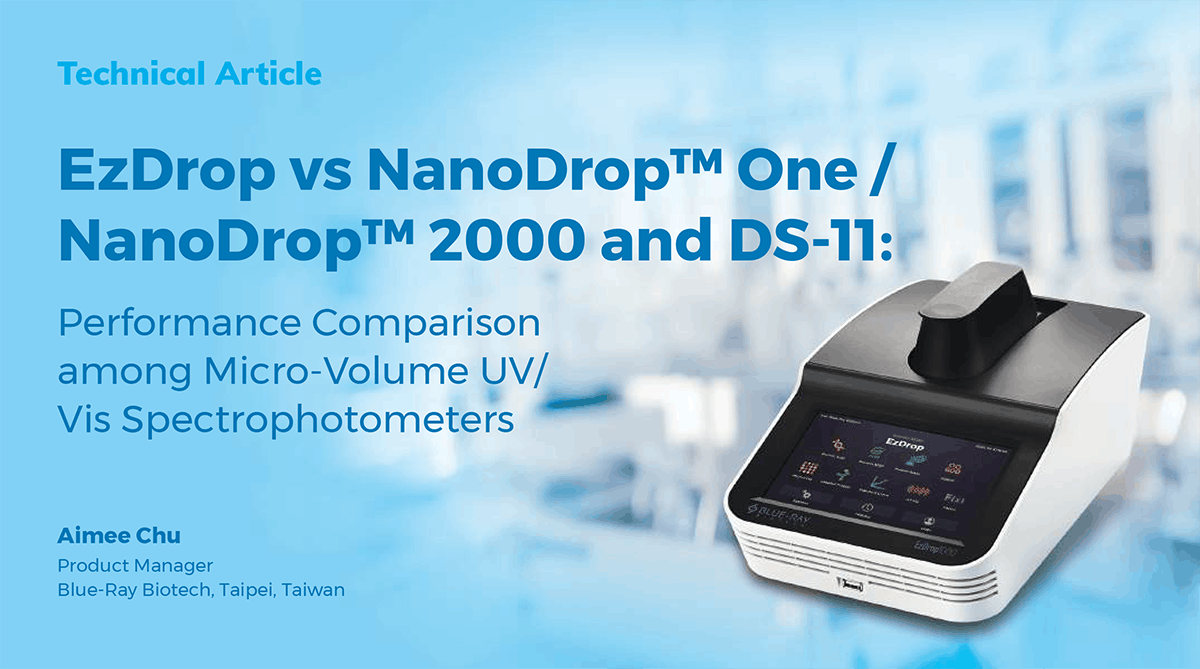

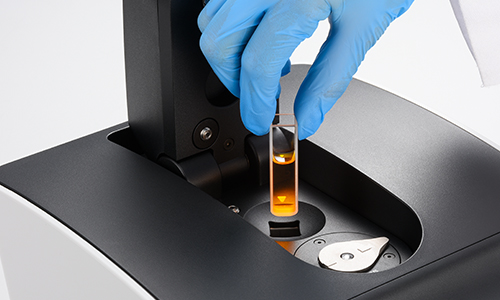
EzDrop 1000C Micro-Volume / Cuvette Spectrophotometer

Sample Quantification in a Trice

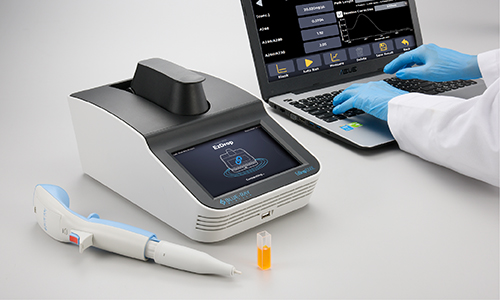
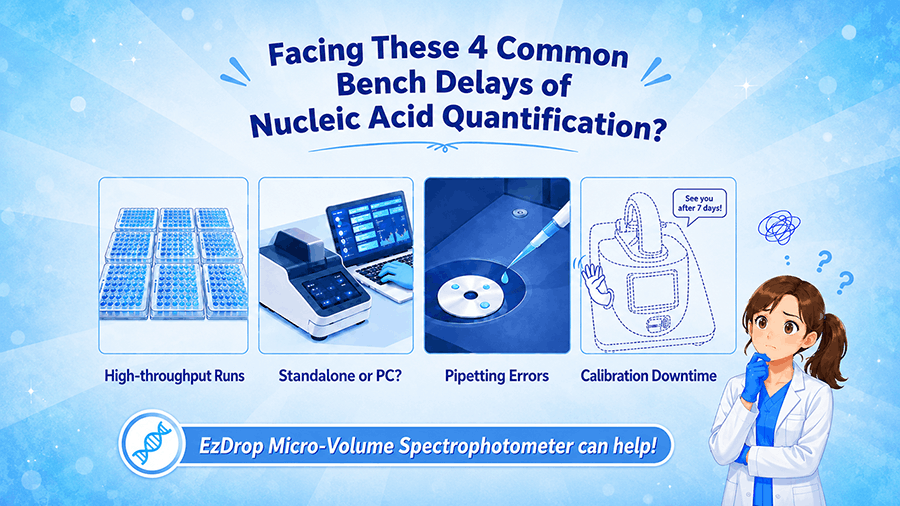
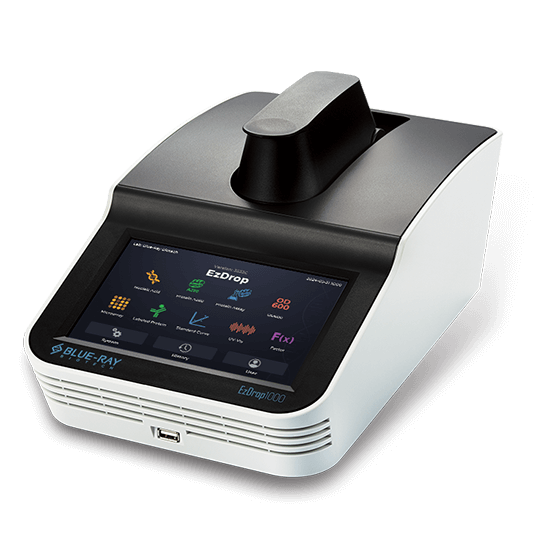
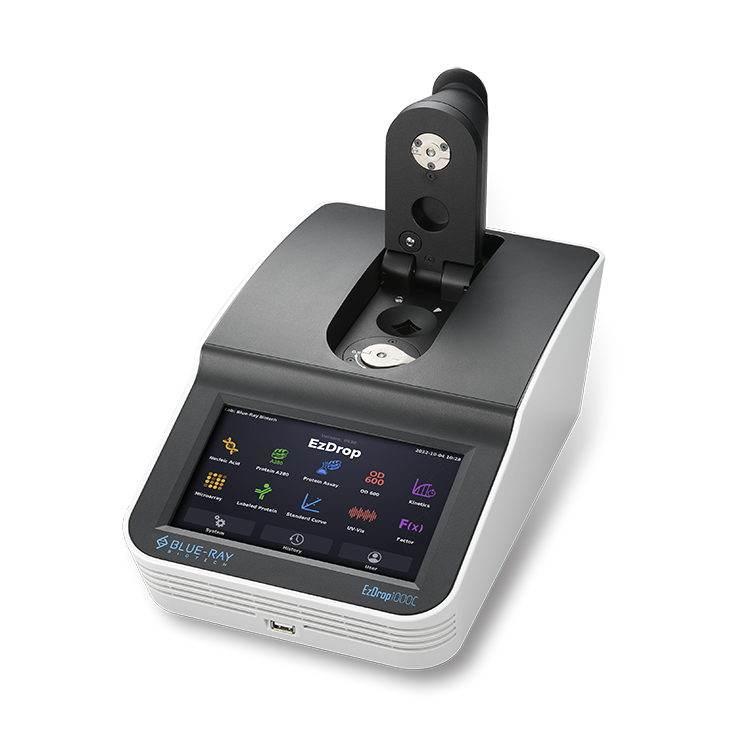
EzDrop 1000C Micro-Volume/Cuvette Spectrophotometer helps you make the most of your precious sample and time, providing measurement results within 3 seconds. The instrument offers dual modes for micro-volume and cuvette detection, as well as an intuitive touch screen for easy operation. These features combine to meet a wide range of nucleic acid and protein quantification requirements. EzDrop 1000C can be used as a standalone unit or connected to a PC for increased flexibility in the sample-to-data process.

single-product-01

Features and Benefits


Trusted for Daily Research Worldwide

Blue-Ray Biotech EzDrop Featured Endusers

70+ Citations →


Get Results within Seconds

Get Results within Seconds

Fast sample quantification in 3 seconds with the adjustable pathlength selector.
Dual Measurement Modes

Dual Measurement Modes

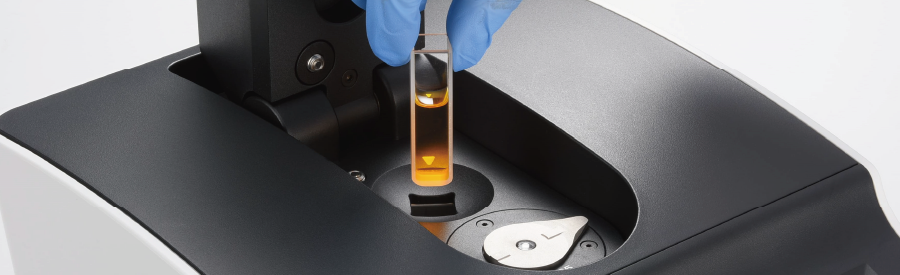
Choose between micro volume and cuvette modes and take advantage of a full wavelength range from 190 to 1000 nm for a wide range of applications.
Flexible Data Management

Flexible Data Management

EzDrop 1000C offers both standalone and PC compatibility for a versatile sample-to-data process.

Dual Measurement Modes

Micro-Volume Mode
- Only 1 μL of undiluted sample is needed.
- The sample window is coated with a nano hydrophobic layer to stabilize the liquid column.
- The detection arm is cushioned to protect it from shock and impact during closure.

Cuvette Mode
- EzDrop 1000C has built in 37- 45°C temperature control and stir functions to meet specific applications.
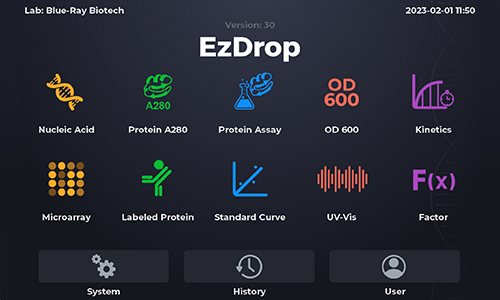
Intuitive Touch Screen for Easy Operations

Operation of the 7‘’ touchscreen is intuitive and allows the analysis of different samples with the touch of a button.

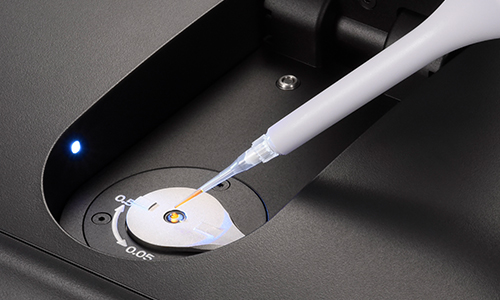
Assist Light for Perfect Placing of the Sample

The assist light minimizes sample placement errors caused by inadequate ambient lighting.

Flexible Data Management

EzDrop 1000C can be conveniently used as a standalone device, or connected to a computer for the easy generation of reports.


* As of September 2026, the EzDrop Series (EzDrop 1000 & 1000C) has been cited in over 70 publications by academic and research institutions worldwide.


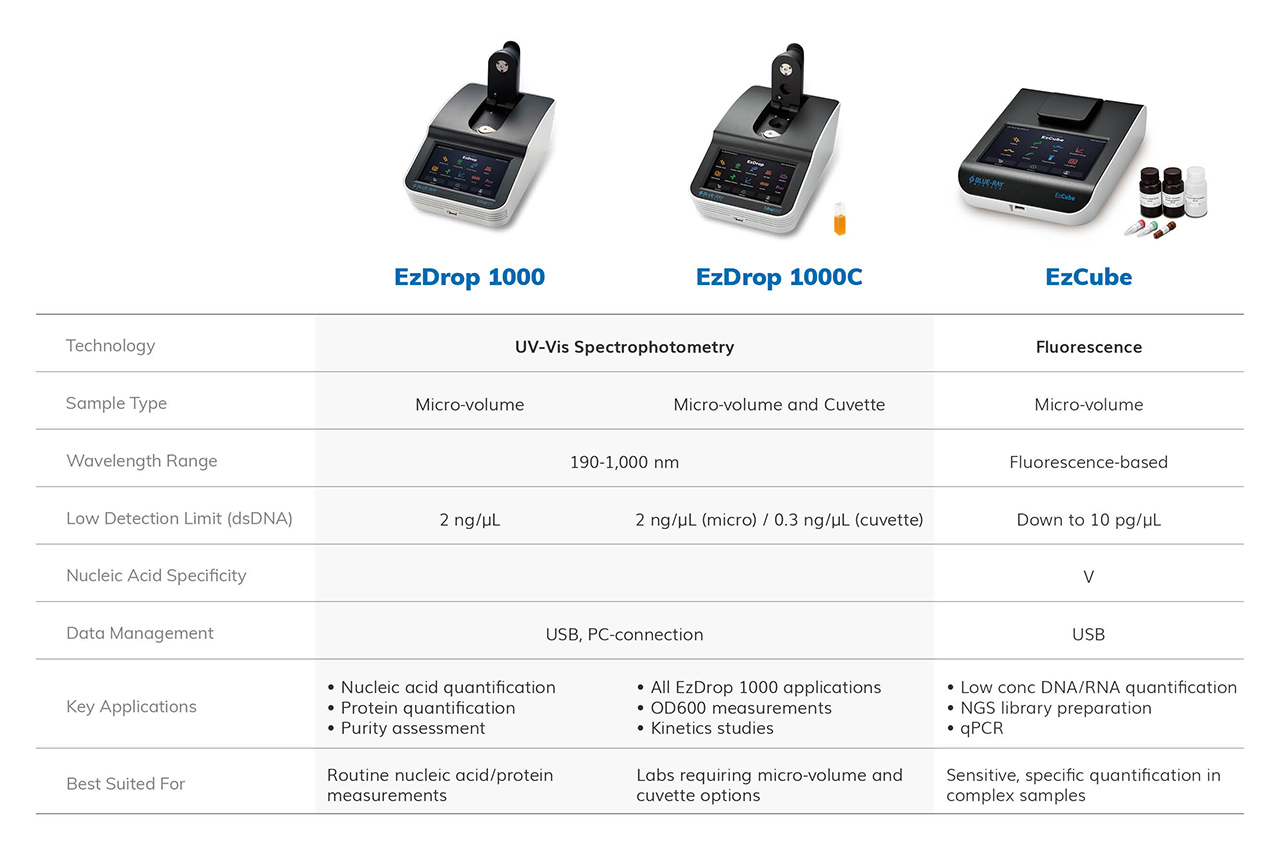
Quantification Model Comparison


Blue-Ray Biotech Quantification Model Comparison

Applications

A wide variety of sample quantification applications include:


  • Nucleic acid and protein analysis
  • OD600 measurement
  • Microarray and labeled protein analysis
  • Kinetics
  • Full spectrum scans

Specifications

Micro-Volume Mode

  • Minimum Sample Volume
  • 1 µL
  • Pathlength
  • 0.5 mm / 0.05 mm
  • Light Source
  • Xenon flash lamp
  • Detector Type
  • 2048 element CMOS
  • Wavelength Range
  • 190 - 1000 nm
  • Wavelength Accuracy
  • ±1.0 nm
  • Spectral Resolution
  • 1.5 nm (FWHM at Hg 253.7 nm)
  • Absorbance Precision
  • Raw: 0.0015 A (0.5 mm); 0.03 A (1 cm equivalent)
  • Absorbance Accuracy
  • 1.5% at 1.0 A at 300 nm
  • Absorbance Range (1 cm equivalent)
  • 0.04 - 400 A
  • Detection Range
  • dsDNA: 2 - 20000 ng/µL; BSA: 0.06- 600 mg/mL
  • Measurement Time
  • < 3 seconds

Cuvette Mode

  • Pathlength
  • 10, 5, 2, 1, 0.5, 0.2, 0.125, 0.1 mm
  • Absorbance Range (1 cm equivalent)
  • 0.002 - 1.5 A
  • Detection Range
  • dsDNA: 0.3 - 75 ng/µL; BSA: 0.003 - 2.25 mg/mL
  • Stirring
  • 8 Speeds (150 - 850 rpm)
  • Temperature Control
  • 37 - 45℃ ±0.5℃ (Quartz Cuvette)

Software

  • Operating System
  • Custom Linux based OS
  • PC Software Requirement
  • Windows® 7, 10 and 11, 64 bit

General

  • Display
  • 7” touch screen, 1280*800 high-definition color display
  • Connectivity
  • USB-A port x1 (Data output); USB-B port x1 (PC connection)
  • Footprint Dimensions (W x D x H)
  • 206 x 333 x 166 mm (8.1 x 13.1 x 6.5 In.)
  • Weight
  • 3.3 kg (7.3 lbs.)
  • Glove Compatibility
  • All common lab gloves
  • Internal Storage
  • 32 GB flash memory
  • Operating Voltage
  • Input: AC 100-240 V, 50/60 Hz; Output: DC 24 V, 2.08 A
  • Certifications
  • CE

* Specifications are subject to change without prior notice.

Ordering

  • BRED-1000C
  • EzDrop 1000C Micro-Volume / Cuvette Spectrophotometer
  • BRED-1000
  • EzDrop 1000 Micro-Volume Spectrophotometer
  • T01-000182-00
  • Nano-hydrophobic coating maintenance kit
  • 219-110000-00
  • Quartz cuvette w/ cover
  • 207-000535-00
  • Stirrer bar 6xΦ3mm

Resources

Citations

FAQ

  • I have an unknown sample for Micro-Volume detection. What path length should I choose?

    We recommend that the path length be set to the 0.5mm position for an unknown sample. The absorbance range of the 0.5mm path length is from 0.04 to 30A which covers almost all sample quantitative needs. If the measurement data >30A at 0.5mm pathlength, switch the selector to 0.05mm and measure again.

  • What is the life-time of Xenon lamp?

    The lifetime of the Xenon lamp is approximately 10^9 flashes, it can last for 10 years or more. Xenon Lamp are very stable and the flash intensity changes very little over the lifetime of the lamp.

  • I output the data from the EzDrop 1000C, but I can't find it on the PC.

    EzDrop 1000C will only accept an FAT or FAT32 formatted USB. Check the USB format before use.

  • How do I clean a sample window that has dried sample residue on it?

    Try distilled water. If this is not successful, use 70% ethanol on lint free paper. Wipe the sample window gently. Dry it with fresh lint-free paper and cover it to dry. For more detail refer to the operation manual.

  • Does the EzDrop 1000C require a PC to operate?

    EzDrop 1000C has a 7-inch high resolution touch panel from which operation can be easily carried out. It can also be operated and controlled from a PC.

  • If the drop on the sample window does not form a liquid column and this affects measurment accuracy, what can I do?

    Please contact your local Blue-Ray Biotech distributor about the nano hydrophobic layer recoating service.

  • What types of cuvettes can be used with the EzDrop 1000C?

    Cuvette specification:
    Width: 12.5 mm, Length: 12.5 mm, Height: 45 mm, detection beam height: 8.5 mm.
    Check the material of the cuvette, if you would like to measure the UV range (190-340nm), only a quartz cuvette or a UV-grade plastic cuvette can be used.
    Each EzDrop 1000C comes with a 10mm quartz cuvette.

  • How much volume is needed in the cuvette to make a measurement?

    The beam height of the Cuvette holder in the EzDrop 1000C is 8.5 mm. Ensure that the sample in the cuvette extends beyond 8.5 mm in height; the volume will vary depending on the cuvette's specification. For details, refer to the cuvette supplier's instruction guide.

  • How do I choose Cuvette mode?

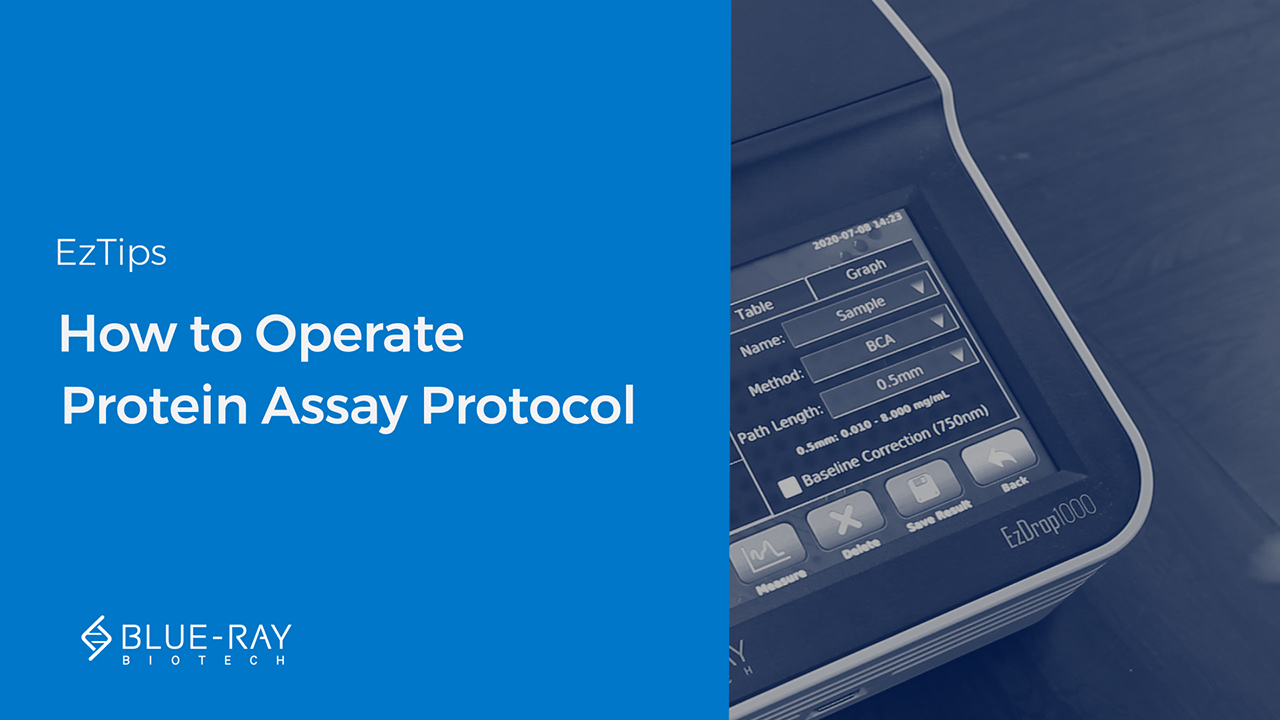
    The default setting is micro-volume, tap the “Path Length” column and choose which pathlength for the cuvette you are using.

  • How long does the Nano hydrophobic coating on the quartz windows last?

    At least 1 year.
    EzDrop 1000C has a Maintenance kit (Cat No. T01-000182-00) to prolong the life time of the hydrophobic coating.

  • How can I ensure proper sample loading when the sample drop is no longer visible after closing the sample arm?

    EzDrop uses a fixed pathlength design. The pathlength does not need to be adjusted when the sample arm is closed, helping avoid compression or deformation of the sample drop caused by pathlength adjustment.
    Before closing the sample arm, the Assist Light helps users check the position and condition of the sample drop. The hydrophobic surface also helps the sample form a stable drop for measurement.
    For consistent measurement performance, regular maintenance of the measurement surface is recommended.

  • Why may EzDrop readings change when repeatedly measuring the same sample drop?

    Micro-volume measurements use very small sample volumes, such as 1 µL. When the same drop is measured repeatedly, small changes in temperature, evaporation, or drop shape can affect the readings. The extent of these effects may vary between instruments due to differences in optical design and measurement methods.
    If you need to measure the same drop repeatedly, wait at least 3 seconds between measurements to minimize the impact of repeated exposure to high-intensity light. For more consistent and reproducible results, we recommend wiping the measurement surface and loading a fresh sample drop for each measurement.

  • Can EzDrop measure samples containing methanol or other organic solvents?

    Yes, but the appropriate measurement method depends on the physical properties of the sample.
    Micro-volume measurement requires a stable liquid column. Methanol and other low-surface-tension solvents may make it difficult to form a stable liquid column with a 1 µL sample. If this occurs, try increasing the sample volume to 2 µL.
    If a stable liquid column still cannot be formed, use the cuvette mode on EzDrop 1000C, which does not rely on liquid column formation on the micro-volume pedestal.

  • Can I connect a printer directly to EzDrop to print measurement results and spectra?

    Printing is handled through a computer. To print measurement results or spectra, first save them using one of the following methods:

    • PC mode: Use the dedicated software to export measurement data as a CSV file. To save a spectrum image, capture the software screen, then print the saved image from the computer.
    • Standalone mode: Save a screenshot of the measurement screen to a USB drive, then open and print the image on a computer.
    The CSV export contains numerical data, not spectrum images.

    *Screenshot availability: EzDrop 1000 units with serial number BRED-2405XXX or later can support the Screenshot function through a software update. All EzDrop 1000C units can be updated to support this function.